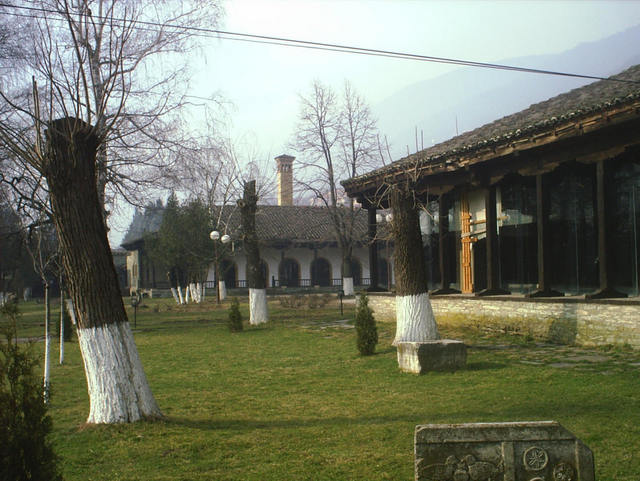

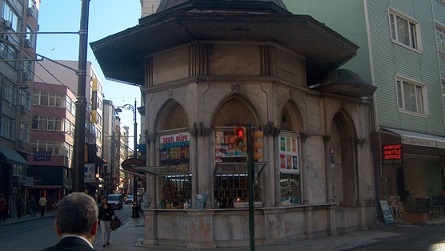
Sebiller Büfe Olmak Yerine Eski Amaçlarına Hizmet Etsinler!
Sebil, sokaktan geçenlere parasız su dağıtmak için hayrat olarak yaptırılan küçük yapılardır.
Osmanlı'da sebillerde bir görevli bulunur ve su yerine, şerbet, ayran, limonata, demirhindi (temr-i hind) şerbeti dağıtırdı.
Osmanlı sebil kültürünün yaşatılması,çocuklarımızın da bu insanî davranışlardan,geçmişinden örnek alması için lütfen bu kampanyaya destek verin!
Büfe niyetine o zarif ve inceliklerle düşünülerek yapılmış yapılarımızı mahveden parayı put edinmiş kan emici,tarihinden bîhaber esnafların sebillerimizi daha fazla mahvetmesine izin vermemek için lütfen katılın!
Kime:
Kültür ve Tabiat Varlıklarını Koruma Kurulu, Kültür ve Tabiat Varlıklarını Koruma Kurulu - İstanbul Bölge Müdürlükleri
Kültür ve Turizm Bakanlığı, Kültür ve Turizm Bakanlığı
Ömer Çelik, Kültür ve Turizm Bakanı
Kültür ve Tabiat Varlıklarını Koruma Kurulu, Kültür ve Tabiat Varlıklarını Koruma Kurulu - İstanbul Bölge Müdürlükleri
Kültür ve Turizm Bakanlığı, Kültür ve Turizm Bakanlığı
Ömer Çelik, Kültür ve Turizm Bakanı
İletişim Bilgileri: http://www.kultur.gov.tr/TR,28894/bize-ulasin.html
Sebil, sokaktan geçenlere parasız su dağıtmak için hayrat olarak yaptırılan küçük yapılardır.
Osmanlı'da sebillerde sebilde ise bir görevli bulunur ve su yerine, şerbet, ayran, limonata, demirhindi (temr-i hind) şerbeti dağıtırdı.
Osmanlı sebil kültürünün yaşatılması,çocuklarımızın da bu insanî davranışlardan,geçmişinden örnek alması bizlerin görevidir.
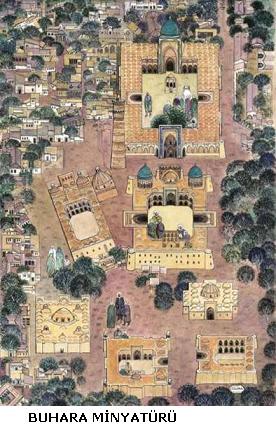 İnsanlık tarihinde yüksek kültürlerin kaynağı tarım bölgelerinde ve şehirlerdeki sosyal yaşayış olmuştur Orta Asya Türk topluluklarına bu açıdan yaklaşıldığında, oradaki insanların çok yüksek bir tarım, ticaret ve şehir hayatına sahip oldukları görülmektedir Bu bakımdan, Müslümanlık tan önceki Orta Asya Türklerinin tamamen göçebe oldukları şeklindeki yaygın kanaat yanlıştır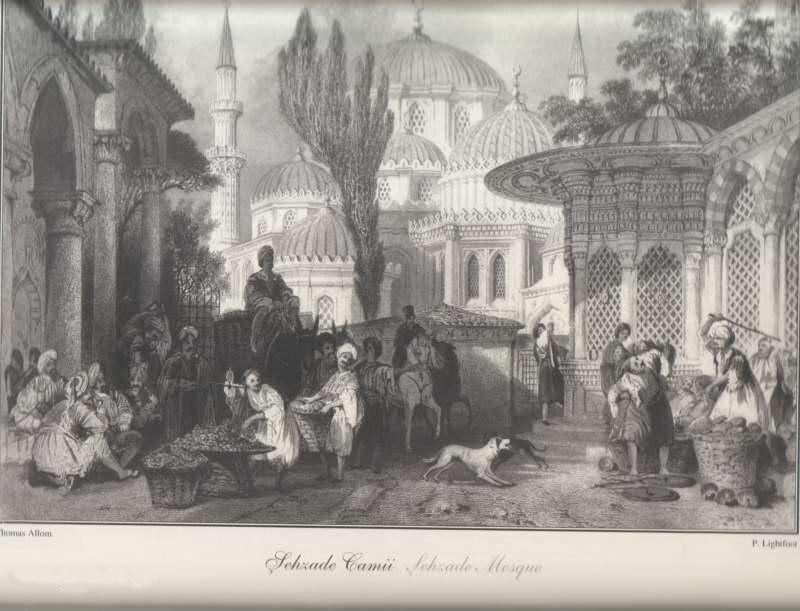
 3 RENGİN ANLAMI